
Giorgio Armani is an Italian fashion designer and entrepreneur best known for transforming modern tailoring through clean lines, soft construction, and understated luxury. Since founding the Giorgio Armani brand in 1975, he has built one of the world’s most respected independent fashion companies while shaping the global image of contemporary Italian style.
Introduction
Born in 1934 in Piacenza, Italy, Giorgio Armani has spent more than five decades influencing luxury fashion. His refined approach to design changed how men and women dress for business, formal occasions, and everyday life. His work continues to inspire designers, celebrities, and fashion enthusiasts across the world.
Unlike many luxury brands that became part of larger corporate groups, the Armani business has remained independently controlled. That independence has allowed Giorgio Armani to maintain creative direction over his collections while preserving the company’s distinctive identity and commitment to craftsmanship.
Early Life and Education
Giorgio Armani was born on July 11, 1934, in Piacenza, a city in northern Italy. He grew up during the difficult years surrounding the Second World War, experiences that later influenced his appreciation for simplicity, practicality, and timeless design.
After finishing school, Armani enrolled at the University of Milan to study medicine. He left before completing his degree and served in the Italian military. Although medicine was not his calling, those experiences broadened his understanding of discipline and observation.
His professional journey into fashion began at the renowned Milan department store La Rinascente, where he worked as a window dresser and later became involved in buying menswear. The position introduced him to garment construction, merchandising, and the changing tastes of Italian consumers.
During the 1960s, Armani joined Nino Cerruti, designing menswear for the Hitman label. His work at the respected fashion house helped him develop the tailoring techniques that would later define his own collections.Quick Bio
| Field | Details |
|---|---|
| Full Name | Giorgio Armani |
| Date of Birth | July 11, 1934 |
| Age | 92 (as of 2026) |
| Birthplace | Piacenza, Emilia-Romagna, Italy |
| Nationality | Italian |
| Profession | Fashion Designer, Entrepreneur, Businessman |
| Height | Approximately 5 ft 8 in (173 cm) |
| Education | Studied Medicine at the University of Milan (did not graduate) |
| Years Active | 1957 to present |
| Notable Works | Founder of Giorgio Armani; Emporio Armani; Armani Privé; costume design for American Gigolo (1980) |
| Major Honors | Council of Fashion Designers of America International Award; Knight Grand Cross of the Order of Merit of the Italian Republic; numerous international fashion honors |
| Estimated Net Worth | Widely estimated at around US$10 billion, though the exact figure is not publicly confirmed and varies by source |
| Spouse / Partner | Never married. Longtime business partner Sergio Galeotti (deceased 1985) played a pivotal role in establishing the Armani company. |
| Official Social Media | Instagram: @giorgioarmani; Facebook: Giorgio Armani; X (formerly Twitter): @armani |
The Beginning of Giorgio Armani’s Fashion Career
A turning point came when Armani partnered with Sergio Galeotti, an architect and businessman who recognized his creative potential. Galeotti encouraged Armani to establish his own fashion company and supported the business during its formative years.
In 1975, the pair founded Giorgio Armani S.p.A. in Milan. The company initially introduced menswear before expanding into women’s fashion. Early collections attracted attention for replacing rigid tailoring with softer jackets that offered elegance without sacrificing comfort.
Fashion critics quickly noticed Armani’s restrained color palette, luxurious fabrics, and minimalist aesthetic. Rather than following short-lived trends, he emphasized clothing designed to remain stylish for many years, helping establish a new direction for luxury fashion.
Rise to International Success
International recognition accelerated during the late 1970s and early 1980s. Armani’s clothing appealed to professionals seeking sophistication without excessive ornamentation. His jackets, in particular, became symbols of modern confidence and effortless refinement.
A major breakthrough came with the 1980 film American Gigolo, starring Richard Gere. Armani designed much of Gere’s wardrobe, introducing millions of moviegoers to his signature tailoring. Fashion historians widely regard the film as a milestone in the relationship between luxury fashion and Hollywood.
As Hollywood embraced his designs, many leading actors, musicians, and public figures chose Armani for film premieres, award ceremonies, and international events. The visibility strengthened the brand’s global reputation and reinforced its association with understated elegance.
Throughout the following decades, the company expanded across Europe, North America, Asia, and the Middle East. Today, Armani boutiques operate in major fashion capitals, reflecting the enduring international appeal of Italian luxury design.
Giorgio Armani Brands
The Armani company gradually introduced multiple labels to serve different customer needs while maintaining consistent standards of quality. Each line reflects the founder’s philosophy but targets a distinct audience or lifestyle.
The flagship Giorgio Armani collection represents the company’s highest level of ready-to-wear luxury. It focuses on exceptional tailoring, premium fabrics, and refined craftsmanship intended for customers seeking timeless elegance rather than seasonal trends.
Emporio Armani, introduced in 1981, offers contemporary fashion with a younger perspective. It combines sophisticated design with modern styling and remains one of the company’s most recognizable labels across clothing, accessories, watches, and eyewear.
Armani Exchange, launched in 1991, targets a broader international audience with accessible casual fashion. While positioned differently from the flagship collection, it continues to reflect the clean aesthetic associated with the Armani name.
The company also developed EA7 Emporio Armani, dedicated to sportswear and performance apparel, and Armani Privé, its haute couture collection introduced in 2005. Armani Privé regularly appears during Paris Haute Couture Week, showcasing the designer’s highest level of craftsmanship.
Products and Business Ventures
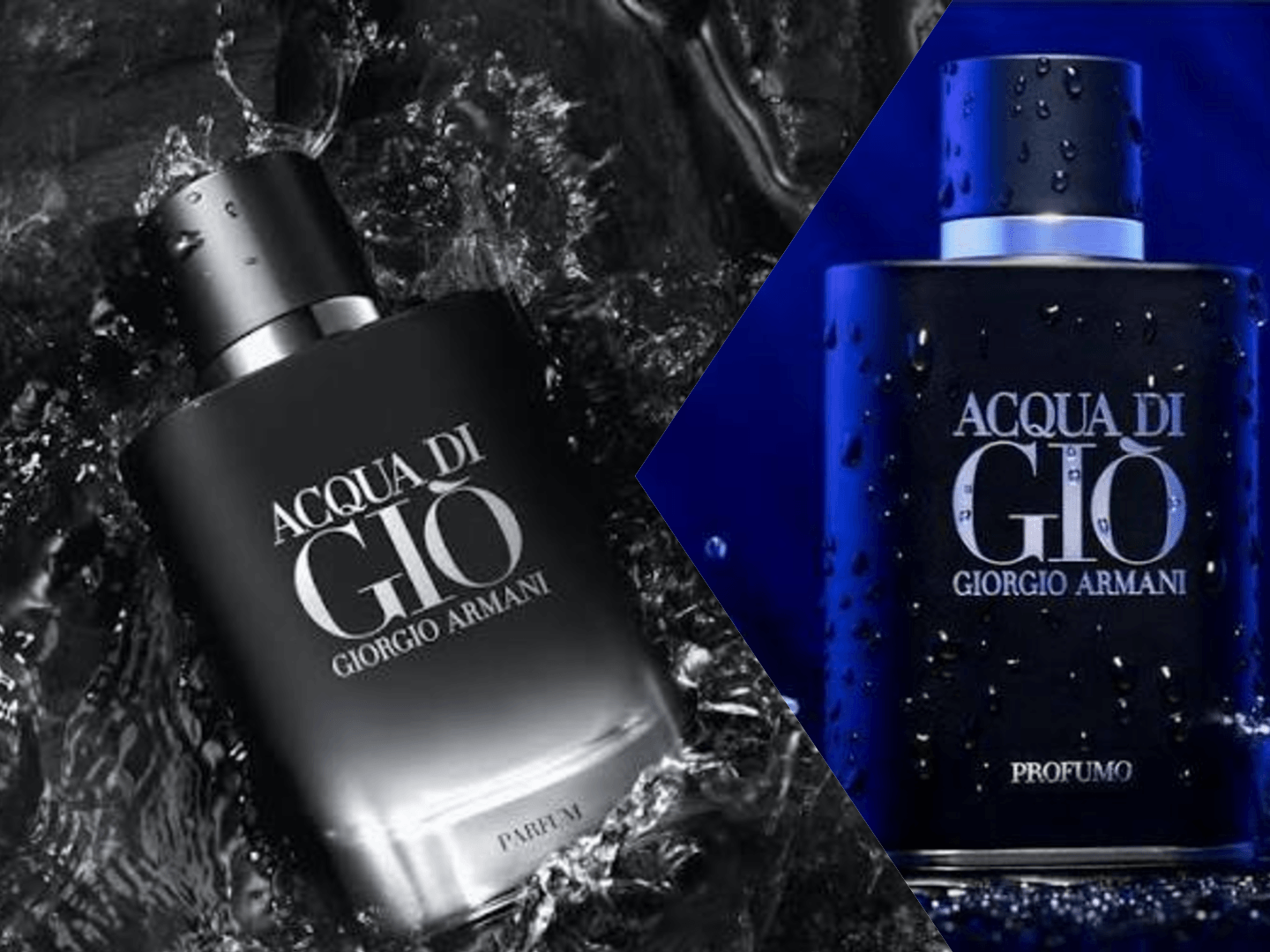
Beyond clothing, the Armani brand has expanded into fragrances, cosmetics, eyewear, jewelry, watches, furniture, and home décor. These categories allow customers to experience the brand’s design philosophy across multiple aspects of everyday life.
Armani entered the beauty industry through licensing partnerships and later expanded into cosmetics and skincare. Its fragrances have become particularly successful, with several collections earning long-term popularity in international markets.
The company also established Armani/Casa, extending its minimalist approach into interior design and luxury furnishings. The collection reflects the same emphasis on balance, neutral tones, and quality materials that characterizes Armani fashion.
Hospitality became another important venture with the opening of Armani Hotel Dubai in 2010, located within the Burj Khalifa. This was followed by Armani Hotel Milano, bringing the designer’s aesthetic to luxury accommodation and guest experiences.
Signature Design Philosophy
The defining feature of Giorgio Armani’s work is restrained elegance. Rather than relying on bold decoration, he emphasizes precise proportions, comfortable silhouettes, and carefully selected fabrics that allow clothing to appear both luxurious and effortless.
Armani revolutionized men’s tailoring by reducing heavy internal structures traditionally used in jackets. Softer construction created garments that moved naturally with the body while maintaining a polished appearance suitable for professional and formal settings.
His influence extended into women’s fashion by introducing tailoring inspired by menswear without sacrificing sophistication. This approach helped redefine professional wardrobes during the 1980s, a period when increasing numbers of women entered leadership positions across many industries.
In an interview frequently cited by the fashion industry, Armani said, “Elegance is not about being noticed, it’s about being remembered.” The statement has become closely associated with his philosophy of quiet confidence and enduring style.
Awards and Recognition
Over his distinguished career, Giorgio Armani has received numerous international honors recognizing his creative achievements and contribution to fashion. His influence extends beyond clothing into Italian culture, design, and global business.
In 2001, Forbes described him as one of the most successful designers in fashion, reflecting both his creative reputation and commercial accomplishments. His independently managed company remains unusual within the modern luxury industry.
The Council of Fashion Designers of America has honored Armani for his contribution to international fashion. His work has also been celebrated by governments and cultural institutions recognizing his role in promoting Italian excellence worldwide.
Armani has frequently been invited to design wardrobes for prestigious events, international exhibitions, and celebrated performers. These collaborations have reinforced his reputation as a designer whose work combines artistic vision with practical sophistication.
Philanthropy and Social Impact
Throughout his career, Armani has supported charitable initiatives involving healthcare, disaster relief, education, and humanitarian causes. His company has contributed to fundraising efforts through financial donations and special events benefiting nonprofit organizations.
During the COVID-19 pandemic in 2020, Giorgio Armani donated millions of euros to hospitals and civil protection organizations across Italy. The company also converted several manufacturing facilities to produce disposable medical gowns for healthcare workers.
Armani has increasingly emphasized sustainability within fashion by promoting responsible production, durability, and thoughtful consumption. Although luxury manufacturing presents ongoing environmental challenges, the company continues expanding initiatives focused on reducing environmental impact.
Giorgio Armani’s Influence on Fashion
Fashion historians often compare Armani’s influence on tailoring with the impact that Coco Chanel had on women’s fashion during the twentieth century. Both designers challenged traditional conventions by emphasizing comfort, simplicity, and functional elegance.
Armani’s approach changed corporate dress codes during the 1980s, replacing rigid formalwear with softer silhouettes suitable for modern workplaces. This evolution influenced designers across Europe, the United States, and Asia, many of whom adopted similar tailoring techniques.
His work continues to appear at major international film festivals, fashion weeks, and awards ceremonies. Celebrities regularly select Armani designs because they balance sophistication with understated confidence rather than excessive ornamentation.
Despite changing fashion trends, Armani has remained remarkably consistent in his creative vision. That consistency has strengthened customer trust and allowed the brand to maintain a distinctive identity across generations of luxury consumers.
Frequently Asked Questions
Many readers wonder whether Giorgio Armani still leads his company. As of 2026, he continues serving as chairman and chief creative figure, remaining actively involved in overseeing collections and preserving the brand’s creative direction.
Another common question concerns what makes Armani different from other luxury designers. His emphasis on timeless tailoring, neutral colors, refined materials, and understated elegance distinguishes his work from brands that prioritize bold seasonal trends or highly decorative styles.
People also ask why Armani remains influential after more than fifty years. The answer lies in his consistent commitment to craftsmanship, innovation in tailoring, and the ability to create clothing that feels contemporary without depending on rapidly changing fashion cycles.
Conclusion
Giorgio Armani has earned his place among the most influential designers in modern fashion through innovation, discipline, and an unwavering commitment to elegant simplicity. Since founding his company in 1975, he has transformed tailoring, expanded into global luxury markets, and maintained creative independence that few fashion houses can claim.
His legacy extends beyond clothing to architecture, hospitality, beauty, and design, demonstrating how a clear creative philosophy can shape an international brand for generations. As fashion continues to evolve, Giorgio Armani remains a defining figure whose work represents enduring craftsmanship, quiet confidence, and the lasting appeal of Italian luxury.Frequently Asked Questions
Who is Giorgio Armani?
Giorgio Armani is an Italian fashion designer and entrepreneur who founded the Giorgio Armani fashion house in 1975. He is widely recognized for redefining modern tailoring with elegant, minimalist designs.
When was Giorgio Armani born?
Giorgio Armani was born on July 11, 1934, in Piacenza, Italy. He has remained actively involved in the creative direction of his company throughout his career.
What is Giorgio Armani best known for?
He is best known for creating softly tailored suits, timeless luxury fashion, and building one of the world’s leading independent fashion companies. His designs gained international attention after appearing in the 1980 film American Gigolo.
Does Giorgio Armani own multiple fashion brands?
Yes. The Armani Group includes several brands, including Giorgio Armani, Emporio Armani, Armani Exchange, EA7 Emporio Armani, and Armani Privé, each serving different markets while reflecting the company’s design philosophy.
Is Giorgio Armani still involved in the company?
Yes. Giorgio Armani continues to serve as chairman and remains closely involved in the company’s creative direction, overseeing collections and maintaining the brand’s distinctive style.
